The Conscious Canine Vaccine Guide
Protection Without Overload
By Dr. Lynda Loudon
Vaccines have become one of the most debated topics among dog guardians today. With expanding vaccine recommendations, growing awareness of potential side effects from over-vaccination, and an increasing desire for a more holistic approach to care, many dog moms are left feeling confused or unsure about what is truly best. This guide was created to bring clarity.
My goal is to leave you informed, confident, and fully equipped to make thoughtful decisions about your dog’s vaccinations. Decisions rooted in both protection and long-term health.

Immunity 101
Before we dive into vaccines, we need to understand the immune system.
In its simplest form, the immune system has one essential role. It determines what is a normal part of the body and what is foreign, then responds appropriately to protect against anything that does not belong.
It uses:
- Organs like the spleen, thymus, lymph nodes, and bone marrow.
- White blood cells such as T cells, B cells, macrophages, and natural killer cells
- Chemical messengers that trigger inflammation and fever
There are two main arms of immunity:
1. Humoral Immunity (Antibodies)
B cells produce antibodies that attach to viruses and bacteria so they can be neutralized or destroyed.
A titer test measures these antibodies in the bloodstream.
2. Cell-Mediated Immunity
T cells and other immune cells directly destroy infected cells and coordinate the immune response.
This part is harder to measure but just as important.
Memory Cells Matter
Memory cells remember a virus for years, sometimes for life.
When re-exposed, the body mounts a rapid, powerful defense.
This is what lasting immunity looks like
How Puppies Develop Immunity
In nature, immunity begins in the womb.
A healthy mother passes antibodies to her puppies:
-
Through the placenta
-
Through colostrum (first milk)
-
Through nursing
This is called maternal immunity. It protects puppies during their most vulnerable early weeks of life, provided the mother had strong antibody levels to pass on.
Maternal antibodies usually fade between 12–18 weeks of age.
*That timing is important because many veterinary protocols give the first puppy vaccine at 8 weeks old (breeders will even go younger). When vaccines are given this early, maternal antibodies may still be present, causing the vaccine to bind to and neutralize those antibodies without allowing the puppy to produce its own protective response. Because the immune system is still immature, this can reduce existing protection and create a temporary gap in immunity rather than strengthening it.
Natural Immunity vs. Vaccine-Induced Immunity
There are two primary ways a puppy can develop immunity. One is through natural exposure to a virus. The other is through vaccination. Both aim to create protection, but the way the immune system encounters the challenge is very different.
Natural Immunity. How the Body Was Designed to Respond
In nature, exposure happens gradually.
A virus typically enters through the nose or mouth. The immune system responds in layers. First, local defenses in the mucous membranes attempt to neutralize the invader. If that barrier is breached, nearby lymph nodes activate. White blood cells are recruited. Fever may develop. Inflammation increases blood flow to the area. Antibodies are produced. Memory cells are formed.
It is an organized, stepwise process.
The body recognizes the threat at the surface first. It gathers information. It escalates only if needed. When the infection is cleared, long-lasting memory cells remain. If the puppy encounters that same virus again, the immune system responds quickly and powerfully.
Natural immunity often produces robust, long-term protection because the immune system experienced the entire process from entry to resolution.
Vaccine-Induced Immunity. A Different Type of Exposure
Vaccination works differently.
Instead of gradual exposure through natural entry points, viral material. either modified live or killed. is injected under the skin. From there, it is rapidly absorbed into the bloodstream and becomes systemic.
This bypasses the body’s normal first lines of defense.
The immune system must immediately respond to foreign material introduced directly into internal tissues. Often, multiple antigens are delivered at once in combination vaccines. The immune system does not get the layered, stepwise exposure it would naturally receive.
The goal is still the same. Stimulate antibody production and create memory cells without causing full disease. And vaccines can absolutely achieve protective immunity.
But the pathway is different.
Natural exposure engages surface immunity first and builds gradually. Vaccination presents the immune system with a direct systemic challenge that requires an immediate coordinated response.
Why This Matters
A healthy immune system is designed to respond to challenges. The timing, maturity of the puppy’s immune system, presence of maternal antibodies, overall health, and number of antigens given at once all influence how well that response occurs.
Immunity is not just about receiving a vaccine. It is about how the body processes and responds to that stimulus.
The goal is not to avoid protection.
The goal is to support the immune system in creating protection in the safest and most balanced way possible.
Vaccines 101
The Difference Between Core and Non-Core Vaccines
Core Vaccines
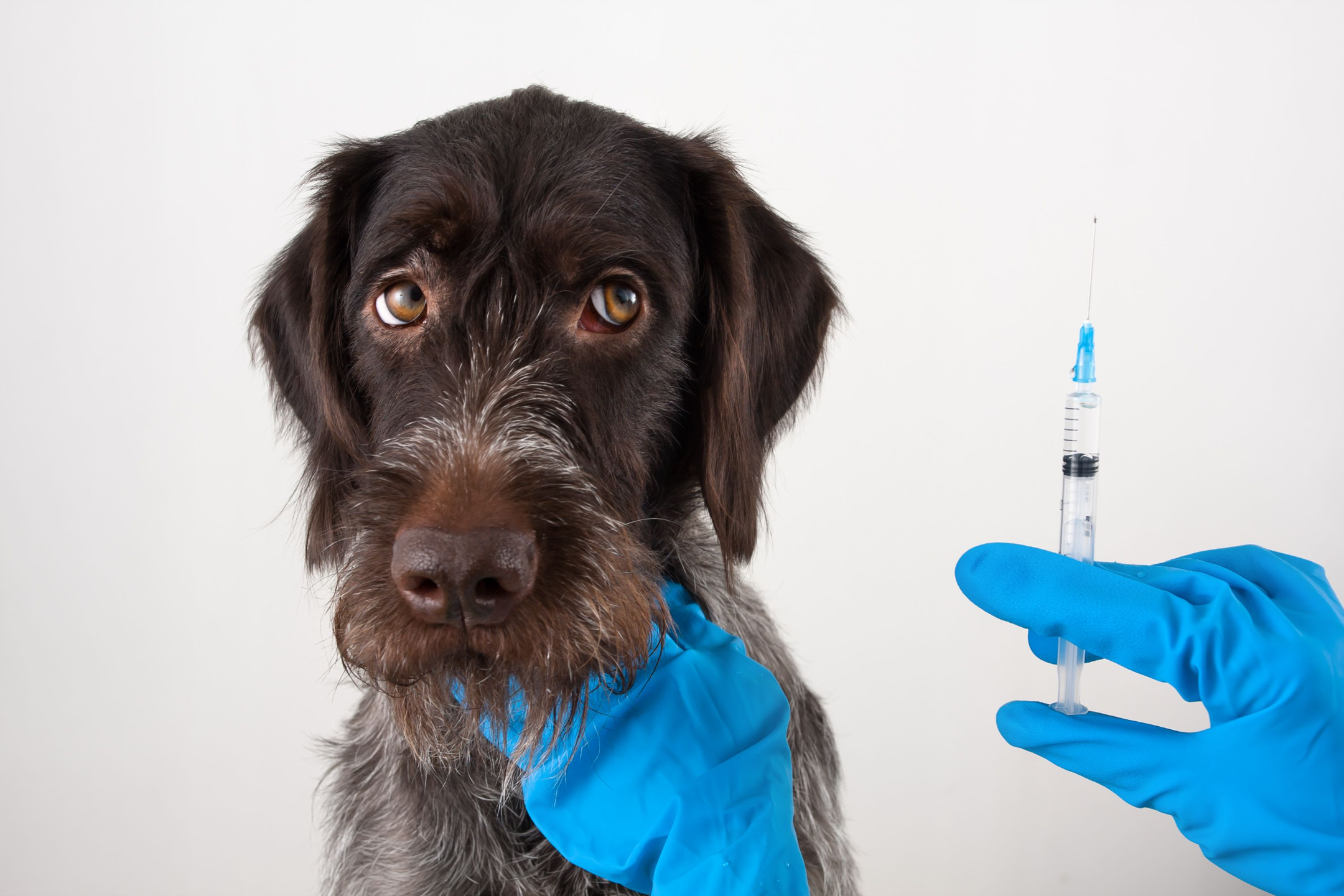
A core vaccine is an essential immunization recommended for all puppies and dogs, regardless of lifestyle or location, due to the high risk and severity of the diseases it prevents. Core vaccines protect against highly contagious and potentially fatal diseases that pose significant health risks to both pets and humans. For dogs, these include parvovirus, distemper, and rabies.
.
Non-Core Vaccines
Non-core vaccines are not recommended for every dog. Their use should be based on your dog’s individual lifestyle, geographic location, breed predispositions, overall health, and specific exposure risk.
In general, non-core vaccines tend to provide shorter-term immunity, often lasting less than 12 months, and they are associated with a higher rate of vaccine reactions compared to core vaccines. Because protection is limited, they typically require yearly or even bi-yearly boosters.
These vaccines should always be considered carefully and tailored to the individual dog, rather than given routinely to all.
These include Lyme, Leptospirosis, bordetella, Adenovirus, parainfluenza and Hepatitis.
.

When Deciding on Which Vaccines To Give Your Dog Consider These Key Questions
1. Is the disease the vaccine protects against potentially life-threatening?
2. Is the vaccine effective?
3. Is this vaccine safe?
4. Is there a natural alternative for protection?
Parvovirus Vaccine-Core Vaccine
-
Parvovirus is a highly contagious virus that mostly affects young, unvaccinated puppies who are immune compromised and in crowded conditions.
-
It causes severe diarrhea, vomiting, abdominal pain, and anorexia.
-
Infected puppies often require long hospital stays in order to recover fully.
-
Parvovirus is resilient and can survive indoors and outdoors for months to years, especially in dark, moist environments.
- The vaccine is potentially life-threatening, it is effective and does not tend to cause as many reactions as other vaccines. Nosodes are a natural alternative. However, their effectiveness has not been studied and you would need to work with an experienced homeopathic veterinarian.
- I recommend giving this vaccine to puppies between 12-15 weeks of age. and then titer testing (see more below on titers)
Rabies Vaccine-Core Vaccine
Rabies is a fatal disease with nearly 100% mortality once symptoms appear. Vaccination has been critical in protecting both dogs and humans, which is why it is legally required in most states. Transmission occurs through direct contact with infected saliva, typically via a bite, making prevention essential for public health.
Understanding the Risks
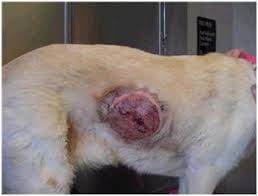
While important, the rabies vaccine is not without risk. Documented adverse reactions include allergic responses, facial swelling, vomiting, collapse, immune-mediated disease, and neurological complications. Small breed dogs and those receiving multiple vaccines at the same visit have a higher risk of reaction. In practice, I have treated severe allergic reactions, immune-mediated disease, and injection-site sarcomas following rabies vaccination.
Legal Requirement vs. Immunologic Reality
Most states require rabies vaccination every three years after the initial puppy and one-year booster. However, research shows immunity often lasts much longer, and revaccinating an already immune dog does not increase protection.
This creates a distinction between what is legally mandated and what is immunologically necessary. In some states, veterinarians may file a medical waiver with documented protective titers. If a waiver is not granted despite adequate titers, the decision to revaccinate becomes a personal one within your state’s regulations.
A Thoughtful Approach
If vaccinating:
-
Give rabies alone
-
Space it 3–4 weeks from other vaccines
-
Choose thimerosal-free formulations
-
Administer low on the right rear leg (important if sarcoma develops)
Use extra caution in dogs with neurological disease, immune-mediated conditions, chronic illness, or prior vaccine reactions.
Suggested Timing
-
Rabies at 6 months
-
Booster at 1 year
-
Titer 1–2 months later to document protection
Distemper- Core Vaccine
What Is Distemper?
Canine distemper is a highly contagious and potentially life-threatening virus that affects the respiratory, gastrointestinal, and nervous systems. It spreads through airborne exposure and contact with infected animals or contaminated environments.
Although uncommon today, it still appears — most often in puppies from overcrowded, high-stress situations with poor nutrition, heavy parasite loads, or recent transport. These stressors weaken an already fragile immune system.
Symptoms
Early signs include nasal and eye discharge, coughing, and fever. As the disease progresses, vomiting, diarrhea, and loss of appetite may develop. In advanced cases, the virus affects the nervous system, causing tremors, seizures, incoordination, or paralysis. Once neurological symptoms appear, prognosis becomes significantly more serious.
Distemper remains present in wildlife reservoirs, including foxes, coyotes, raccoons, skunks, mink, ferrets, large wild cats, and even seals.
Vaccination & Immunity
Vaccination has dramatically reduced distemper in domestic dogs, which is why it is classified as a core vaccine. However, research in veterinary immunology shows that immunity from the initial puppy series is often long-lasting — and in many dogs, persists for years, sometimes for life. Revaccinating an already immune dog does not enhance protection and may contribute to unnecessary immune stimulation.
My Approach
• Vaccinate after maternal antibodies decline (typically 12–15 weeks)
• Avoid multiple antigens in one visit when possible
• Confirm protection through titer testing rather than automatic boosters
Non-Core Vaccines
Leptospirosis: Non-Core
Leptospirosis is a bacterial disease caused by Leptospira, which is found worldwide in soil and water. It is zoonotic, meaning it can affect both animals and humans. In the United States, most human cases are linked to water exposure rather than contact with infected pets, although transmission from pets is possible, it is rare.
Dogs at Higher Risk
Dogs may be at increased risk if they:
-
Drink from rivers, lakes, or streams
-
Live in or roam rural areas with wildlife or livestock exposure
-
Have contact with rodents or wild animals, even in urban environments
The disease is more common in warm, rainy regions but can occur anywhere.
Vaccine Considerations
According to the World Small Animal Veterinary Association (WSAVA):
-
Immunity from the leptospirosis vaccine is short-lived, typically 3–12 months
-
Protection varies by strain and may not cover all circulating strains. In fact, There are over 250 known serovars (strains) of Leptospira worldwide. The current vaccine only covers 4 of them!
-
The vaccine is associated with a higher rate of adverse reactions compared to most other canine vaccines
The immunity produced is limited and often does not create strong long-term immune memory. While vaccination may reduce the severity of illness, it may not fully prevent infection or bacterial shedding, especially beyond six months. If the strains in your region differ from those included in the vaccine, protection may be minimal.
Human Vaccine Perspective
There is currently no widely used human leptospirosis vaccine. A 2003 review in The Lancet highlighted key challenges in vaccine development:
-
Killed bacterial vaccines can cause significant side effects
-
Protection tends to be short-term and incomplete
-
Regional strain differences limit universal effectiveness
-
Autoimmune reactions, such as uveitis, are a concern
Alternative Prevention Strategies
• Place booties on your dog’s feet in urban settings where standing water and rodent urine are more likely
• Teach a solid leave it so your dog avoids drinking from puddles, stagnant water, or shared outdoor bowls
• Limit wildlife and rodent exposure at home by securing trash, removing accessible food sources, and managing areas where water collects such as bird baths, poorly drained yards, or open containers.This piece matters because leptospirosis is most commonly transmitted through urine from wildlife and rodents contaminating soil and water.
Given the combination of limited efficacy and higher reaction rates in both animals and humans, it is reasonable to carefully evaluate whether routine leptospirosis vaccination makes sense for your individual dog. I do not give my dogs the Lepto vaccine.
Lyme Vaccine: Non-Core
Lyme disease is caused by the bacterium Borrelia burgdorferi and is transmitted through the bite of infected deer ticks. It can affect dogs, horses, and possibly cats, as well as humans. However, most dogs who test positive for Lyme disease never develop symptoms.
When symptoms do occur, they may include shifting lameness, joint swelling, swollen lymph nodes, fatigue, and decreased appetite. In rare cases, more serious complications can develop. To learn more about preventing and testing for Lyme disease check out my full blog.
Considerations for the Lyme Vaccine
The Lyme vaccine is not considered a core vaccine and is generally not recommended for every dog. Unlike core vaccines that protect against severe, life-threatening viral diseases, the Lyme vaccine has shown limited and inconsistent efficacy. It does not reliably prevent infection in all dogs and requires frequent boosters to maintain relatively short-term immunity.
Because Lyme is a bacterial disease transmitted by ticks, preventing tick attachment is the most important strategy.
Alternative Prevention Strategies
For many dogs, Lyme risk can be managed effectively by:
-
Using natural tick repellents
-
Performing daily tick checks, especially after outdoor activity
-
Promptly removing attached ticks
-
Maintaining yards and outdoor areas to reduce tall grasses and tick habitat
For dogs living in Lyme-endemic regions, consistent tick prevention and early removal are often more effective approaches and avoid the potential side effects associated with repeated vaccination. Check out my blog on natural flea & tick prevention. I do not vaccinate my own dogs with the Lyme vaccine.
Bordetella Bronchiseptica (Kennel Cough):Non-Core
Kennel cough, or canine infectious tracheobronchitis, is a highly contagious respiratory illness that spreads easily in places where dogs gather, such as boarding facilities, dog parks, grooming salons, and daycare centers. It is transmitted through airborne droplets, direct contact, or shared items like water bowls.
Most cases are mild and self-limiting. However, puppies, immunocompromised dogs, and those living in crowded or stressful environments may be at greater risk for the rare complication of pneumonia.
Symptoms
-
Persistent, honking cough
-
Nasal discharge
-
Lethargy
-
Decreased appetite
-
Fever
Treatment
Most healthy adult dogs recover without medication. Manuka honey, rest and immune supportive supplements are usually enough. In young or vulnerable dogs, treatment with Doxcycline for a few days may become necessary if the cough persists or other symptoms develop.
Vaccine Considerations
According to the World Small Animal Veterinary Association (WSAVA), kennel cough is actually a complex of multiple viruses and bacteria. Because it affects the upper respiratory tract, vaccination does not always prevent infection. Dogs may still contract and spread the illness, although symptoms may be milder.
The intranasal Bordetella vaccine, often combined with parainfluenza, is commonly used. Mild temporary side effects, such as coughing or nasal discharge, can occur. In some situations, vaccinated dogs have been associated with outbreaks in kennel environments.
Alternatives
If your dog’s exposure risk is low, and vaccination is required by a groomer or boarding facility, consider discussing whether alternatives or waivers are appropriate based on your dog’s individual lifestyle and health status. Or find a facility that does not require this unnecessary vaccine. I do not vaccinate my dogs for kennel cough. To learn more about kennel cough check out my blog.
In Summary. Non-Core Vaccines
Non-core vaccines should never be given automatically. They must be carefully considered based on your individual dog’s true exposure risk, lifestyle, geographic location, and overall health. For example, a small toy breed dog who lives primarily indoors with minimal exposure risk may have little justification for receiving these vaccines.
Compared to core vaccines, non-core vaccines are associated with higher rates of adverse reactions, tend to provide shorter durations of immunity, and often offer limited or strain-specific protection. In many cases, the immunity they provide is relatively brief and may not fully prevent infection.
These vaccines require thoughtful risk assessment, not routine administration. The decision should always be individualized and intentional.
The Concern With Over-Vaccination
More is not better. The goal of vaccination should be to use the smallest amount of antigen necessary to produce protective immunity and only against diseases that are truly life-threatening.
High titers do not mean better protection; they may reflect immune overstimulation. Research shows that core vaccines often provide 7–15 years of immunity, and in some cases even longer (my own rabies titer remains protective after 30 years). Repeating vaccines in already immune dogs does not increase protection and may increase risk.
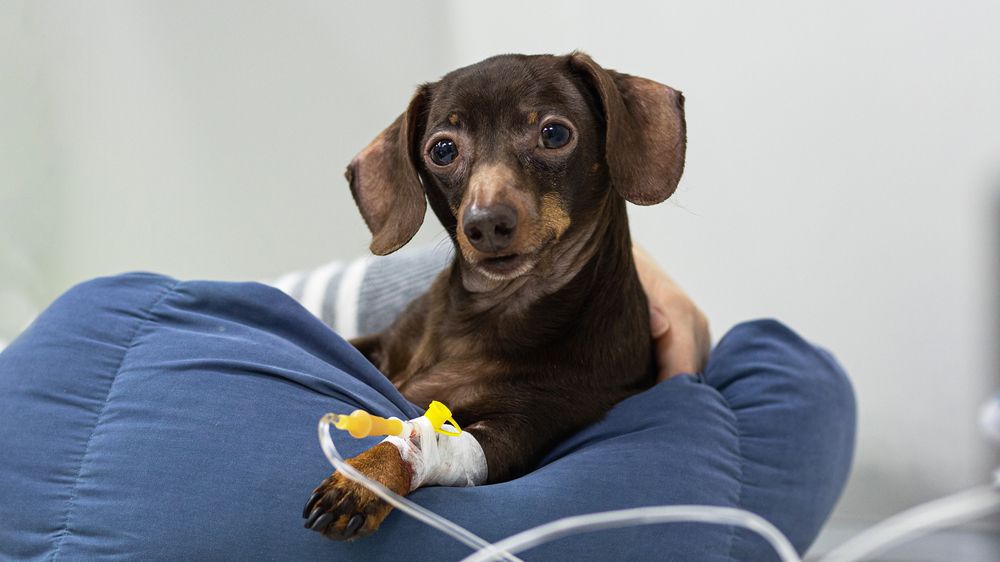
Over-vaccination has been associated with allergies, autoimmune disease, seizures, chronic inflammatory conditions, and cancer. One large study documented adverse events occurring within 72 hours of vaccination in dogs. (Link to study.)
Small dogs are at higher risk of reaction because they receive the same 1 mL dose as large dogs, resulting in a proportionally greater immune challenge.
Vaccine-induced Sarcoma

Allergies
Immune-mediated Disease
Nosodes: A Homeopathic Alternative
Nosodes are homeopathically prepared remedies made from disease-related materials, such as secretions from infected animals, that are diluted many times over through a process called ultradilution. In dogs, the most commonly used nosodes are for parvovirus and distemper.
Unlike conventional vaccines, nosodes do not contain measurable antigen. They are intended to gently stimulate immune awareness rather than introduce viral material into the body.
It’s important to clarify that rabies is not considered a practical disease for nosode use, particularly because rabies vaccination is legally required and carries significant public health implications.
With parvovirus, conventional vaccines are typically modified-live, meaning they do not cause disease but stimulate the body to produce antibodies. Nosodes aim to support immune responsiveness in a different way, through homeopathic principles rather than direct antigen exposure.
At this time, there is no strong scientific evidence demonstrating that nosodes provide protection equivalent to vaccination. That said, I have personally spoken with breeders, guardians and homeopathic veterinarians who have used nosodes exclusively and later documented high antibody titers in their dogs.
The important distinction regarding is that nosodes have not been shown to trigger chronic symptoms or long-term disease after administration, which stands in contrast to concerns raised about vaccine-related adverse effects.
If you are considering this approach, I strongly recommend working with an experienced homeopathic veterinarian. Dr. Will Falconer is a well-known resource in this field. His protocol for parvovirus and distemper nosodes can be found here:
https://vitalanimal.com/wp-content/uploads/2023/01/ParvoDistemper-Nosode-Protocol-Dry-v3.pdf
As with all medical decisions, this is not a one-size-fits-all choice. It requires thoughtful consideration, professional guidance, and an honest evaluation of your dog’s lifestyle and risk exposure.
The Problem With the Volume of Vaccines Given
The goal of vaccination should be to use the smallest amount of antigen necessary to create protective immunity.
Dr. John Robb has raised concerns about the current “one-size-fits-all” dosing model in veterinary medicine. Manufacturers recommend a standard 1 mL dose for all dogs, regardless of size. This is a label guideline, not a dose calculated by body weight or immune capacity.
Observations and studies show that smaller dogs often develop significantly higher antibody titers than larger dogs when given the same 1 mL dose. Excessively high titers suggest the immune system has been overstimulated. Not surprisingly, small breed dogs account for the majority of vaccine reactions within the first 72 hours.
Consider the physiologic difference:
-
A 100-pound Great Dane has vastly greater blood volume and immune cell mass.
-
A 10-pound Chihuahua has only a fraction of that capacity.
Yet both receive the same vaccine volume.
This means smaller dogs are receiving a proportionally larger immune challenge relative to their body size. Logically, a smaller immune system requires less stimulation to achieve protection.
Dr. Robb has proposed weight-based dosing charts that scale vaccine volume according to body size rather than using a universal 1 mL dose. His dosing reference can be reviewed here:
https://www.protectthepets.com/uploads/1/0/8/0/108023613/dosages_are_linear_by_weight_2017_j_robb.pdf
This raises an important question: should vaccine dosing be individualized based on size and immune capacity instead of standardized across all breeds?
As your dog’s guardian, it is reasonable to ask whether the volume being administered is truly necessary for your individual dog.

My Suggested Vaccine Protocol
(Always tailored to the individual dog)
There is no one-size-fits-all schedule. Each dog’s health, lifestyle, breed, and risk factors should be considered. This is the protocol I generally recommend:
Puppy Series-Adenovirus (canine hepatitis), parainfluenza, and similar components are often included in combination vaccines, yet the diseases they target are either uncommon, typically mild, or already indirectly covered through broader immune protection. In many adult dogs with healthy immune systems and low exposure risk, these additional antigens may not be necessary. Giving multiple vaccines combined into one injection increases the antigen load delivered at a single time, which can overstimulate the immune system, raise the likelihood of adverse reactions, and place unnecessary stress on a developing or sensitive immune system especially in small breeds or puppies.
12–15 Weeks
-
Distemper and Parvovirus
-
Preferably given individually.
-
NeoTech offers a parvo only vaccine. The cost for $39 for a 10ml vial. 1 dose=1ml. You can ask your vet to purchase this for you.
-
NeoTech Vaccines offers a distemper only vaccine called NeoVac D. They also have a ferret version that is much cheaper but would have to be given off-label.
-
A combination vaccine may be used if necessary. Nobivac carries a parvo/distemper combo vaccine.
-
(Waiting until this age allows maternal antibodies to decline so the puppy can mount a strong, lasting immune response)
17–20 Weeks
-
Distemper/Parvo Titer Test
If the titer shows antibodies — no further vaccination is needed.
If the titer is absent (which is uncommon), repeat the distemper & parvo vaccines and recheck titers.
6 Months of Age-Rabies
-
Administer thimerosal-free Rabies vaccine
-
Give rabies alone, separated from other vaccines
-
Discuss supportive or detoxifying remedies with a holistic veterinarian before and after vaccination (see my detox protocol below)
-
Always check your state laws regarding timing and requirements
1.5 Years of Age
-
Distemper/Parvo Titer
-
Administer the 3-year Rabies vaccine (per state law)
Important:
-
Separate rabies and distemper/parvo by at least 3–4 weeks
Long-Term Maintenance
-
Perform Distemper and Parvovirus titers every 3–5 years if you need to prove coverage.
-
Vaccinate for Rabies according to your state law or choose to titer every 3 years
-
In some states, a written medical waiver along with documented protective titers may be accepted.
The Philosophy Behind This Protocol
-
Vaccinate thoughtfully
-
Confirm immunity with titers
-
Avoid unnecessary repetition
-
Minimize immune stress
-
Follow the law while advocating for your dog’s health
Your dog’s immunity can be strong and long-lasting without excessive vaccination. The ultimate goal is to Do No Harm.
Vaccine Detox: Preparing & Supporting Your Dog Before and After Vaccination
Vaccines are designed to stimulate the immune system, but that stimulation can temporarily stress the body — especially in sensitive dogs. Supporting your dog before and after vaccination helps reduce inflammation, ease immune burden, and promote smoother recovery. The goal is not to “fight” the vaccine, but to help the body process it efficiently and calmly.
30 Days Before Vaccination (If Possible)
Strengthen the foundation.
• Transition to a fresh, whole-food, species-appropriate diet
• Eliminate processed kibble and unhealthy treats
• Avoid unnecessary medications, flea/tick chemicals, and dewormers
• Test and support the gut microbiome (AnimalBiome testing if desired)
• Ensure consistent, appropriate daily exercise to support circulation and lymphatic flow
A strong gut and healthy liver are central to balanced immune function.
3–5 Days Before Vaccination
Goals: reduce inflammation and support detox pathways
• Omega-3 fatty acids – Anti-inflammatory support (dose per product weight guidelines)
• High-quality probiotic – Supports gut-immune connection
• Milk Thistle (Silymarin) – Gentle liver support
• Whole-food antioxidants – Small amounts of blueberries, steamed broccoli, pumpkin, or turmeric
• Avoid stress (no boarding, grooming, or major changes)
• Avoid additional medications or chemicals
Keep everything simple and stable.
Day of Vaccination
• Provide plenty of fresh water (bone broth can support hydration)
• Feed a light, clean meal
• Do not combine with other vaccines or medications
• Rabies should always be given alone and spaced from other vaccines
*Do not allow other procedures and medications to be administered to your dog the day of vaccination. Often vets will schedule spay/neuter or dispense antibiotics the same day a vaccine is given. Do not allow this.
Optional: Some guardians choose a homeopathic remedy such as Thuja 30C the evening of vaccination.
7–10 Days After Vaccination
Goals: calm immune reactivity and support liver processing
• Continue Milk Thistle for 7–10 days
• Continue Omega-3s (sardines in water can be a whole-food option)
• Optional Thuja 30C once daily for 3 days
• Offer warm Epsom salt paw soaks 2–3 times
• Prioritize rest and limit daycare, travel, or strenuous activity for several days
Most dogs recover quietly and uneventfully when properly supported.
The Big Picture
Preparing and supporting your dog before and after vaccination is a proactive way to reduce unnecessary immune stress. By focusing on whole-food nutrition, gut health, liver support, hydration, and stress reduction, you help your dog process the vaccine more efficiently and comfortably.
As always, observe your dog closely and work with a veterinarian — ideally one familiar with integrative or holistic care to tailor this approach to your individual dog.
When I Do Not Recommend Vaccination
Vaccination should always be approached thoughtfully and individually. I generally do not recommend vaccinating dogs who:
-
Have a history of immune-mediated disease
-
Are currently ill or running a fever
-
Are being treated for an acute medical condition
-
Live with chronic disease such as diabetes, Cushing’s disease, or severe arthritis
-
Have previously experienced a vaccine reaction
-
Have a history of seizures or neurological instability
-
Are senior dogs (generally over 6 years of age), especially if already adequately immunized
In these situations, the potential risk of additional immune stimulation outweighs the benefit. Each case deserves careful consideration and, when appropriate, titer testing instead of automatic revaccination.
Know the Signs of a Vaccine Reaction
Most, but not all, vaccine reactions occur within the first few hours to 72 hours after administration. Contact your veterinarian immediately if you notice any of the following:
Severe itching
Hives on the face or body
Red or inflamed skin
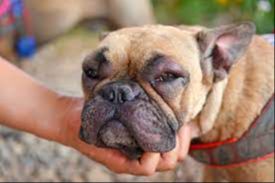
Facial swelling (especially around the eyes or muzzle)
Vomiting
Sudden lethargy or weakness
Crying out in pain or unusual sensitivity
While many reactions are mild and resolve with prompt treatment, some can escalate quickly. Trust your instincts. If your dog seems “off” after a vaccine, it’s always safer to have them evaluated.
Supporting Your Dog Through a Vaccine Reaction
Most vaccine reactions are mild and occur within the first 24–72 hours. These may include itching, mild swelling, lethargy, or digestive upset. Severe reactions, such as facial swelling, repeated vomiting, collapse, pale gums, or seizures, require immediate veterinary care.
For Mild Reactions
Natural supportive therapies may help calm inflammation and balance histamine response:
Medicinal Mushrooms
Reishi, Shiitake, Turkey Tail, Maitake, and Cordyceps contain beta-glucans that help modulate immune response and reduce inflammation.
Quercetin (“Nature’s Benadryl”)
A natural antihistamine that helps reduce histamine release, redness, and irritation. Best given on an empty stomach.
Nettles
Support balanced histamine response. Can be used as tea, sautéed fresh, or given as a tincture.
Ledum Palustre (30C)
A homeopathic remedy often used for swelling and inflammation. Follow product dosing instructions for acute support.
Topical Support
• Baking soda paste (1 tbsp baking soda + water) for itchy skin
• Fresh, preservative-free aloe gel to soothe inflamed areas
If Symptoms Come on Quickly or Severely
If your dog develops rapid facial swelling, hives, vomiting, weakness, or significant distress:
• You may give Quercetin and/or Nettles immediately, or
• Benadryl (Diphenhydramine) at 1 mg per pound of body weight
Example:
A 10 lb dog receives 10 mg of Benadryl.
Benadryl may be given every 8 hours as needed.
Then head straight to the emergency room.
Steroids are sometimes necessary in severe allergic reactions. Your veterinarian may administer an IV steroid injection and send you home with additional doses if needed.
Check out my blog on allergic reactions for more info
Final Thoughts
At the end of the day, this is not about being “pro-vaccine” or “anti-vaccine.” It is about being pro-dog.
It is about understanding how the immune system truly works, honoring the remarkable intelligence of your dog’s body, and making thoughtful decisions that balance protection with long-term vitality. You do not have to follow a one-size-fits-all schedule. You are allowed to ask questions. You are allowed to request titers. You are allowed to space vaccines. You are allowed to individualize care based on what feels aligned and right for your dog.
Your dog depends on you and you care enough to be here, learning. That already says everything.
When you slow down, gather the facts, and choose intentionally, you move from fear-based decisions to wisdom-based leadership. Protection does not require excess. Immunity does not require endless repetition. And good medicine should always aim to do no harm.
You are not “just” a dog mom.
You are your dog’s voice, their safe place, their protector, and their lifelong advocate.
Make decisions that support strength, resilience, and longevity and trust yourself along the way. You are more capable than you think.
Got more questions? We've got answers...
If you’re ready for clear guidance and real support on your dog’s health journey, you’re in the right place.
Join a community where thoughtful, proactive dog moms come together to raise healthy, resilient dogs with confidence and peace of mind.
Learn more about The Dog Mom Society